
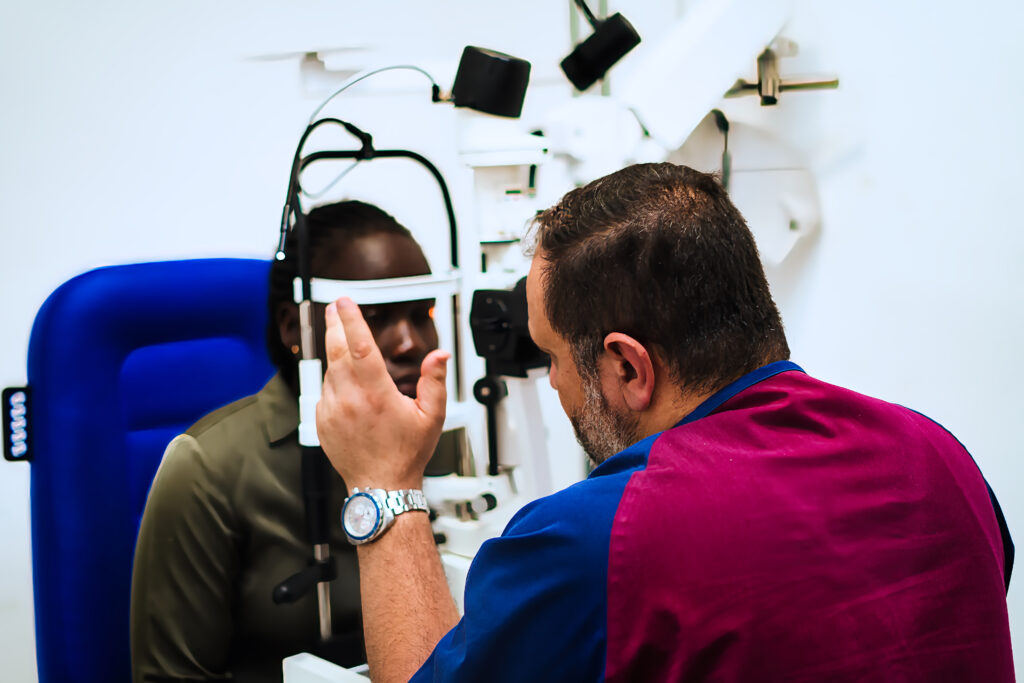
ENT SURGERY
Functional Endoscopic Sinus Surgery (FESS) in Nairobi
If you have been suffering from chronic sinusitis, nasal polyps, persistent facial pain, or a constantly blocked nose that does not respond to medication — Functional Endoscopic Sinus Surgery (FESS) may be the lasting solution you have been looking for.
FESS is the gold standard minimally invasive surgical treatment for chronic sinus conditions. Using a thin, illuminated camera (endoscope) inserted gently through the nostrils, our ENT surgeon directly visualises and opens the blocked sinus passages — restoring natural drainage, improving airflow, and eliminating the source of recurring infection. There are no cuts on the face, no visible scars, and no external incisions of any kind.
How FESS Works
- Anaesthesia — you are completely asleep under general anaesthesia and feel nothing throughout.
- Endoscopic visualisation — a thin endoscope with a high-definition camera is inserted gently through the nostril. The surgeon views the entire procedure on a monitor with magnified, crystal-clear visualisation.
- Opening the sinuses — using fine microsurgical instruments, the surgeon carefully removes the tissue and bone blocking the sinus openings — widening the natural drainage pathways.
- Polyp and diseased tissue removal — nasal polyps, fungal debris or diseased sinus lining is removed while preserving healthy mucosa.
- Haemostasis and packing — bleeding is carefully controlled. Dissolvable packing may be placed to support healing.
Why Choose Royal Eye & Ear Hospital for FESS Surgery?
FESS is a technically demanding procedure performed in close proximity to the eyes, optic nerves and skull base. Experience, precision and excellent visualisation are essential. Here is why patients across Nairobi trust Royal Eye & Ear Hospital for sinus surgery.
- 🏥 Dedicated ENT Specialists: We are a specialist eye and ear hospital focused exclusively on ear, nose and throat conditions. Sinus surgery is a core part of our surgical expertise.
- 👁️ Experienced ENT Surgeon: Dr. Mohamed Arab has extensive experience performing endoscopic sinus surgery, with specialist training including a Basic Endoscopic Sinus Surgery Course from Cairo University and two decades of ENT practice across Egypt, Somalia and Kenya.
- 📍 Conveniently Located in Nairobi: 3rd Parklands Avenue, serving Westlands, Parklands, Gigiri, Muthaiga and across greater Nairobi.
- 💊 Thorough Pre-Operative Assessment: Nasal endoscopy and CT sinus scan before any surgical decision, ensuring surgery is genuinely indicated and the correct procedure is planned.
- 🔬 Minimally Invasive Approach: FESS is performed entirely through the nostrils. No facial cuts, no visible scars, no external incisions. Faster recovery, reduced discomfort and lower complication rates compared to traditional open sinus surgery.

Benefits of FESS
Major Symptom Improvement
Studies consistently show FESS yields clinical success rates of 80-90% with dramatic improvements in nasal blockage, facial pain, sense of smell and overall quality of life.
Minimally Invasive, No External Cuts
Performed entirely through the nostrils using an endoscope. No cuts on the face, no visible scars, no external incisions.
Restores Natural Sinus Drainage
FESS addresses the root cause, blocked sinus openings, allowing the sinus lining to heal permanently rather than providing temporary relief.
Reduces or Eliminates Recurring Infections
Patients with recurring or chronic sinusitis typically experience a dramatic reduction in infections after FESS, ending the cycle of repeated antibiotics, missed work days and ongoing discomfort.
Improves Sense of Smell
Removing nasal polyps and restoring normal airflow through the olfactory region frequently results in significant recovery of the sense of smell.
Faster Recovery Than Traditional Surgery
Significantly faster recovery, less discomfort and quicker return to normal daily activities compared to older open sinus surgical approaches, typically within 1-2 weeks.
What to Expect After FESS
Timeline:
Day 1-2: Nose feels blocked, congested and sore, which is completely normal. Possible bloody nasal discharge or light bleeding. Rest at home, keep head elevated and begin nasal saline irrigation as directed.
Week 1: Nasal congestion and mild facial pressure gradually improve. Do not blow your nose; sniff back gently instead. Avoid strenuous activity completely. Nasal saline irrigation is critical during this period.
Weeks 2-3: Significant improvement in breathing and symptoms as swelling settles. Attend first post-operative endoscopy. Your surgeon will clean the nasal passages and remove crusting. This appointment is essential.
Weeks 4-8: Most patients reach full recovery and experience the full benefit of FESS. Continue all prescribed nasal sprays. Ongoing nasal steroid spray is important to maintaining results, particularly for polyp patients.
Recovery Do's and Dont's:
✅Use nasal saline irrigation regularly, it is the single most important part of FESS recovery
✅ Use all prescribed nasal steroid sprays as directed
✅Sleep with your head elevated for the first week
✅ Attend every post-operative endoscopy appointment
✅Rest and avoid strenuous activity for at least 1-2 weeks
❌Do not blow your nose for the first week after surgery
❌ Do not do strenuous exercise, heavy lifting or bending for 2 weeks
❌Do not take aspirin or ibuprofen; use paracetamol for pain relief
❌Do not smoke; it severely impairs sinus healing and increases polyp recurrence
RESULTS
What Results Can You Expect?
1
High Success Rate
Studies consistently show FESS yields clinical success rates of 80-90%, among the highest of any elective ENT surgical procedure.
2
85% Quality of Life Improvement
Patients undergoing FESS have reported an 85% improvement in symptoms as measured by quality of life scores, one of the highest patient satisfaction rates in elective ENT surgery.
3
Lasting Relief from Chronic Sinusitis
For patients who have spent years managing chronic sinusitis with repeated antibiotics, steroids and nasal sprays, FESS provides lasting relief by treating the root cause rather than the symptoms.
4
Improved Sense of Smell
Patients with nasal polyps report particularly significant benefits, with greater overall improvement in sense of smell and quality of life compared to sinusitis-only patients.
Risks & Considerations of FESS⚠️
FESS is performed in close proximity to the eyes, optic nerve, skull base and major blood vessels and requires significant surgical expertise. At Royal Eye & Ear Hospital, our ENT surgeon takes every precaution to minimise risk. Serious complications are uncommon but important to understand
1
Bleeding
The most common complication. Heavy bleeding occurs in approximately 3 out of every 100 FESS procedures. Most bleeding is managed during surgery.
2
Recurrence of Disease
Nasal polyps and chronic sinusitis can recur after surgery, particularly in patients with underlying allergy, aspirin sensitivity or asthma. Long-term nasal steroid spray and regular follow-up are essential.
3
Orbital Complications
The sinuses lie adjacent to the eye socket. In rare cases, damage to the orbital wall can cause bruising around the eye, double vision or vision problems. Reported incidence approximately 0.07%.
Patient outcome note:
Your ENT surgeon will discuss all potential risks clearly during your pre-operative consultation. For most patients with chronic sinusitis unresponsive to medication, the significant relief from years of chronic symptoms far outweighs the small surgical risks.
Frequently Asked Questions About FESS
Traditional open surgery required external facial incisions. FESS uses an endoscope inserted through the nostrils, no external cuts, no visible scars, superior outcomes and faster recovery.
FESS is recommended when chronic sinusitis or nasal polyps have not responded adequately to nasal steroid sprays, antihistamines and antibiotics over 12 or more weeks. A CT scan and nasal endoscopy confirm the diagnosis and surgical plan.
Yes. At Royal Eye & Ear Hospital FESS is performed under general anaesthesia so you are completely asleep and comfortable throughout.
Polyps can recur, particularly in patients with allergy, asthma or aspirin sensitivity. Long-term nasal steroid spray and regular follow-up nasal endoscopy are the most effective ways to detect and manage early recurrence.
Our happy customers
We’ve helped thousands of patients
Here is what they say…

Codey Joyner
UrbanAcres, LLC
“My move was way less stressful than expected! Movely packed everything, stored it for a week, and moved it all to my new home just as promised!”

Eren Hill
H&H Legal Partners
“Movely provided a very professional service when we moved offices last month. They were easy to work with and moved everything on time.”
Emanuel Sadler
SavvyMarket
Best experience ever! I desperately needed a mover to help with a last minute relocation, and Movely was so helpful in making it a seamless process!”
Ready to Restore Your Vision?
Don’t let cataracts rob you of your independence. Our specialist team at Royal Eye & Ear Hospital is ready to help you see clearly again.
Royal Eye & Ear Hospital © 2026 All Rights Reserved.